
What to Pack for a Solar Eclipse Trip to Egypt
A practical packing guide for Egypt’s 2 August 2027 eclipse, covering eye protection, desert heat, temple visits and Nile cruise essentials.
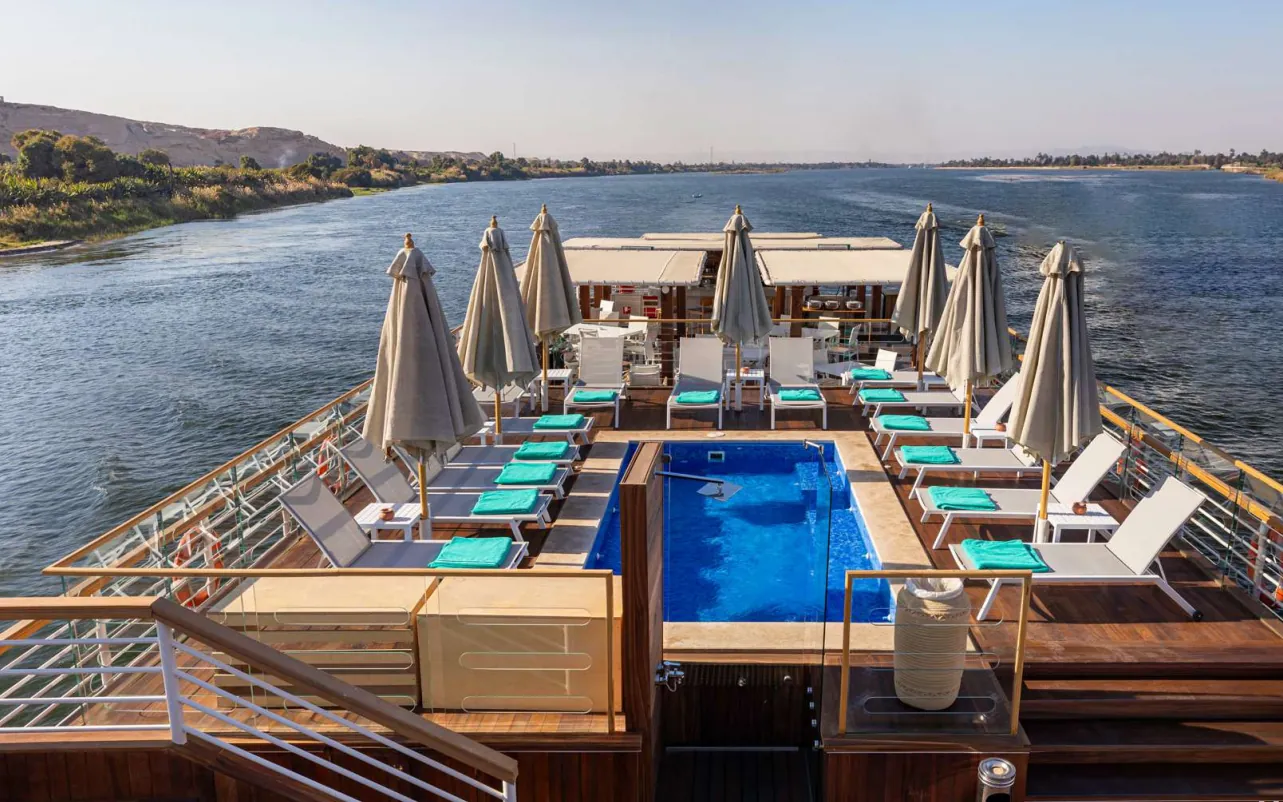
Preparing what to pack for a solar eclipse trip to Egypt requires more thought than an ordinary summer holiday. The total solar eclipse on 2 August 2027 will pass over Luxor, with about 6 minutes 23 seconds of totality. Travellers must prepare for intense heat and sun, conservative dress at cultural sites, time aboard a Nile vessel and the specific safety requirements of eclipse viewing.
This checklist is designed for travellers joining a Luxor-centred itinerary such as the 9-Day Nile Eclipse Odyssey aboard MS TIA, but most recommendations apply to any Egyptian eclipse journey. Always check the final itinerary, airline baggage rules and operator guidance before departure.
What to pack for a solar eclipse trip to Egypt
The essentials fall into four groups: safe viewing equipment, hot-weather clothing, sun and heat protection, and practical travel items. Pack irreplaceable eclipse equipment, medicines, documents and one change of clothing in your hand luggage rather than checked baggage.
Certified eclipse glasses
Ordinary sunglasses are not safe for looking at the Sun. Take eclipse viewers that comply with ISO 12312-2, sourced from a reputable specialist supplier. Inspect them before travel and again before use. Do not use viewers with scratched, punctured, creased or detached filters, and follow all printed instructions.
Bring at least two pairs so that you have a spare if one is damaged. Eclipse glasses are used during the partial phases. They may be removed only during totality, when the Sun’s bright face is completely covered, and must go back on as soon as totality ends. Follow instructions from the viewing team on site.
Cameras, binoculars and telescopes require purpose-made solar filters fitted securely over the front aperture. Eclipse glasses are not a substitute for an optical solar filter, and looking through magnifying optics while wearing them can cause severe eye injury. If you plan to photograph the event, test your complete equipment and filtering arrangement well before travelling.
Clothing for Luxor and the Nile in August
August in Upper Egypt is extremely hot, while air-conditioned interiors can feel markedly cooler. Choose loose, breathable clothing in lightweight fabrics. Long sleeves and full-length trousers or skirts provide useful protection from direct sun and are appropriate for many sightseeing settings.
Pack:
- Lightweight, loose-fitting shirts, including long-sleeved options
- Breathable trousers, long skirts or dresses
- A wide-brimmed hat that shades the face, ears and neck
- A light scarf or wrap for extra sun coverage and visits to religious sites
- A thin layer for air-conditioned cabins, restaurants and vehicles
- Underwear and socks made from quick-drying fabric
- Swimwear if your vessel or hotel has a pool
- Comfortable nightwear suitable for an air-conditioned cabin
Egypt is accustomed to international visitors, but modest dress is considerate. Shoulders and knees should generally be covered when entering mosques and other religious places. A scarf is useful, although requirements vary by site.
Avoid relying solely on dark, heavy fabrics or tight synthetic clothing. Clothing that dries quickly is helpful when moving between hotels, ships and excursions.
Footwear and day-bag essentials
Temple complexes and archaeological sites can involve uneven stone, dusty paths, steps and prolonged standing. Broken-in walking shoes or supportive trainers are more practical than new footwear. Sandals can be useful aboard the vessel, but they should have secure straps and non-slip soles.
For excursions and eclipse day, carry a small, comfortable day bag containing:
- Eclipse glasses and a spare pair in a rigid protective case
- Refillable water bottle
- High-SPF, broad-spectrum sunscreen
- Hat and lightweight sun cover
- Sunglasses with good UV protection for normal daylight use
- Lip balm with sun protection
- Hand sanitiser and tissues
- Any medication needed during the day
- Phone, power bank and charging cable
- A copy of your passport details and travel insurance information
Check whether your viewing site or individual monuments restrict bag sizes, tripods or professional camera equipment.
Health, medicines and heat management
Bring enough prescription medication for the full journey, plus a reasonable contingency supply. Keep it in original labelled packaging and carry copies of prescriptions or a clinician’s letter where appropriate. Check Egyptian entry rules for controlled medicines before departure rather than assuming a medicine legal at home can be imported freely.
A compact personal medical kit may include plasters, blister treatment, oral rehydration salts, pain relief and any familiar remedies advised by your clinician or pharmacist. Travel insurance details should be accessible offline. Discuss vaccinations and personal health risks with a qualified travel-health professional in good time.
Sunscreen, a hat and covering clothing all matter, but hydration is equally important. Drink regularly, follow local guidance on safe drinking water and limit unnecessary exertion in the hottest part of the day. Electrolyte or oral rehydration products can be useful, but they do not replace water, shade or appropriate medical attention. Seek help promptly if you develop confusion, faintness, severe headache or other signs of heat illness.
Electronics, photography and power
Egypt generally uses 220-volt, 50-hertz electricity with European-style two-round-pin sockets. Bring an appropriate plug adaptor and confirm that each device accepts the local voltage. A compact power bank is useful during long excursions, although it must usually travel in hand luggage under airline rules.
Heat, dust and limited setup time can complicate eclipse photography. Keep equipment simple and practise at home so that operating a camera does not consume totality. Useful items include:
- Front-mounted solar filter made for the lens or telescope
- Spare batteries and memory cards
- Lens cloth, blower and sealed bags for dust protection
- Remote shutter release
- Sturdy travel tripod, if permitted
- Gaffer tape or another secure method recommended for the solar filter
Download travel documents, maps and important contact details for offline use. Back up photographs whenever practical.
Documents, money and luggage organisation
Carry a passport with the validity required for your journey, any necessary visa documentation, travel insurance, flight details and booking confirmations. Entry requirements depend on nationality and can change, so verify them through official sources.
Take a combination of payment methods and keep them separately. A small amount of local currency is useful for minor purchases and gratuities, while cards may be accepted in many hotels and established businesses. Tell your bank you are travelling if required.
Packing cubes help organise a cabin wardrobe, and a lightweight laundry bag keeps dusty excursion clothing separate. A small dry bag or resealable pouches can protect documents and electronics from spilled water. Leave valuables and unnecessary jewellery at home.
Packing for a Nile eclipse itinerary
A Nile programme combines archaeological excursions with time aboard a vessel, so prioritise versatile clothing rather than formal outfits. Smart-casual evening wear is generally sufficient unless your final joining information states otherwise. Soft-sided luggage can be easier to store in a cabin, but confirm baggage dimensions with your airline and operator.
The 9-Day Nile Eclipse Odyssey aboard MS TIA provides a cruise-based framework for experiencing the eclipse and Upper Egypt. Travellers comparing cabin styles or budgets can also review the 9-Day Nile Eclipse Odyssey aboard MS Q. Further options are listed on our Egypt eclipse tours page.
Do not pack on the assumption that specialist filters, a particular medicine or your preferred toiletries will be readily available after arrival. Bring critical items from home, while avoiding excessive luggage that becomes awkward during transfers.
Final pre-departure check
A week before flying, inspect your eclipse viewers, confirm medical and entry documentation, recheck baggage allowances and review the latest itinerary guidance. Place glasses, solar filters, medicines, travel documents and charging essentials in hand luggage.
For itinerary-specific questions, including onboard facilities, dress expectations or eclipse-viewing arrangements, contact Middle East Travel Alliance before making final purchases. A carefully assembled kit should keep the focus where it belongs: safe viewing, manageable days in the Upper Egyptian heat and an unhurried experience of the Nile.