
News · Luxor 2027
A Solar Eclipse, a Desert Monastery and 1,600 Years of History: An Unexpected Discovery Near Luxor
Middle East Travel Alliance signs an exclusive agreement with His Grace Bishop Akladios to host international visitors for the total solar eclipse of 2 August 2027 at the historic Monastery of Saint Pachomius, known locally as Deir El Shayeb, bringing together astronomy, Egyptian monastic heritage and sustainable tourism.
Luxor, Egypt · 13 November 2026 · By Middle East Travel Alliance · 7 min read
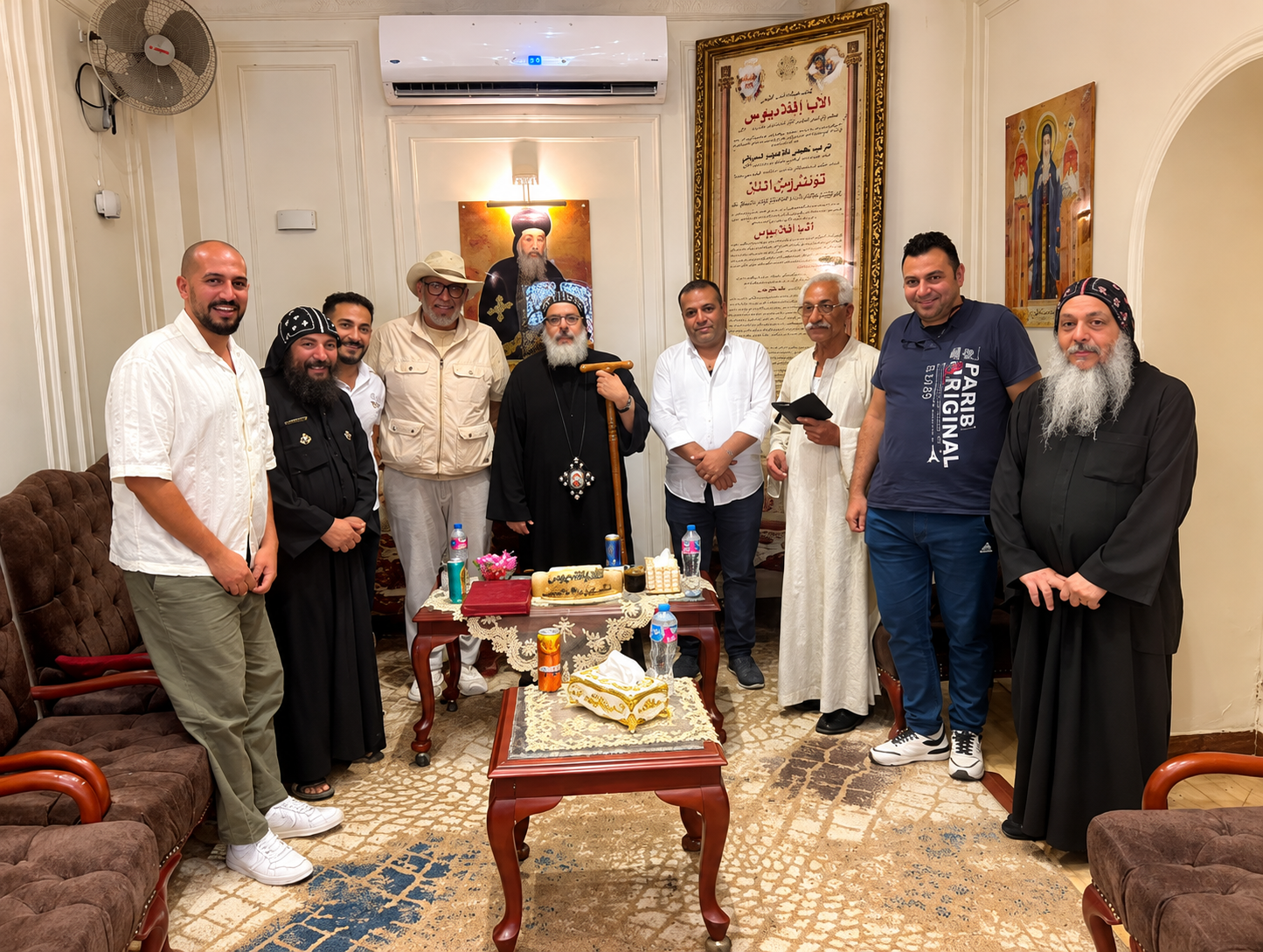
LUXOR, EGYPT, 13 November 2026. As the world prepares for one of the most remarkable astronomical events of the century, Middle East Travel Alliance (META) has revealed an unexpected story behind its search for an exceptional location to observe the total solar eclipse of 2 August 2027.
What began as a mission to find the perfect place to witness a few extraordinary minutes of darkness in broad daylight led to the discovery of a historic monastery setting connected to Egypt's ancient Christian monastic tradition.
META has signed an exclusive agreement with His Grace Bishop Akladios to host international tour groups for the eclipse at a farm belonging to the historic Monastery of Saint Pachomius, commonly known as Deir El Shayeb, near Luxor.
The story behind the agreement goes far beyond securing a viewing location. It involves a demanding search, an unexpected encounter with centuries of Egyptian heritage and an opportunity to turn a rare astronomical event into a lasting benefit for the local community.
The search for the perfect eclipse viewing location
With international interest in the 2027 total solar eclipse growing, Middle East Travel Alliance began evaluating potential viewing locations around Luxor.
Finding a large open space was only the beginning. The company needed a location that could meet an unusually demanding combination of astronomical, geographical, environmental, safety and logistical requirements.
The site had to lie within the path of totality, preferably close to its centreline, to provide visitors with the longest possible viewing experience (see our Luxor eclipse timings). It needed unobstructed views of the sky, favourable prospects for clear weather and sufficient space to accommodate hundreds of international visitors safely.
Privacy and tranquillity were equally important. META wanted to avoid the traffic, noise and congestion likely to surround popular tourist locations during the eclipse.
At the same time, the site needed reliable access for coaches, staff and emergency vehicles, together with essential infrastructure such as electricity, water, sanitation and catering facilities.
The intense heat of August presented another important consideration (read more about August weather in Luxor). Shaded seating, hydration, medical preparedness and comfortable waiting areas would all be essential for visitors spending several hours outdoors.
These requirements created an unusual challenge.
Remote desert locations offered space and tranquillity but frequently lacked infrastructure. Locations closer to hotels and established tourist areas provided convenient facilities but were more vulnerable to congestion and restricted access.
META was searching for somewhere that combined the isolation of the desert with the practical comforts of modern hospitality.
An unexpected discovery at Deir El Shayeb
During the search, the META team encountered an unexpected possibility: a farm belonging to the historic Monastery of Saint Pachomius, known locally as Deir El Shayeb, near Luxor.
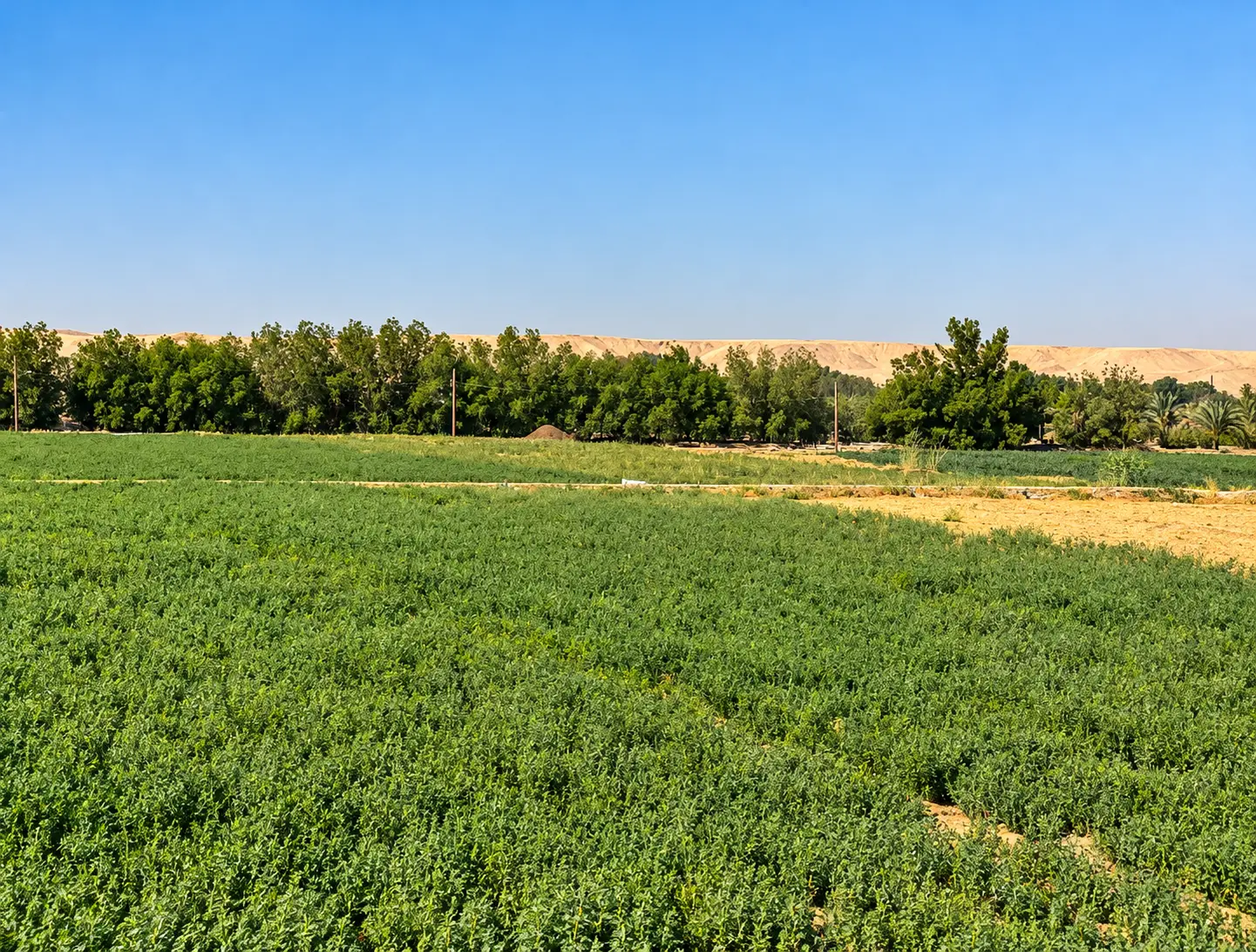
Covering approximately 55 feddans (around 23 hectares), the property offered extensive open space, peaceful surroundings and existing basic infrastructure. Its natural setting and practical potential immediately attracted the team's attention.
For the first time, several of the most demanding requirements appeared achievable at one location.
Yet the most remarkable aspect of the discovery had little to do with the size of the property or its geographical position.
As the team explored the monastery and learned about its history, they encountered a spiritual and cultural tradition whose roots extend back approximately sixteen centuries.
The monastery bears the name of Saint Pachomius, a fourth century Egyptian Christian figure widely recognised for his pioneering role in the development of organised communal monasticism. His influence extended far beyond Egypt and helped shape monastic life throughout the Christian world.
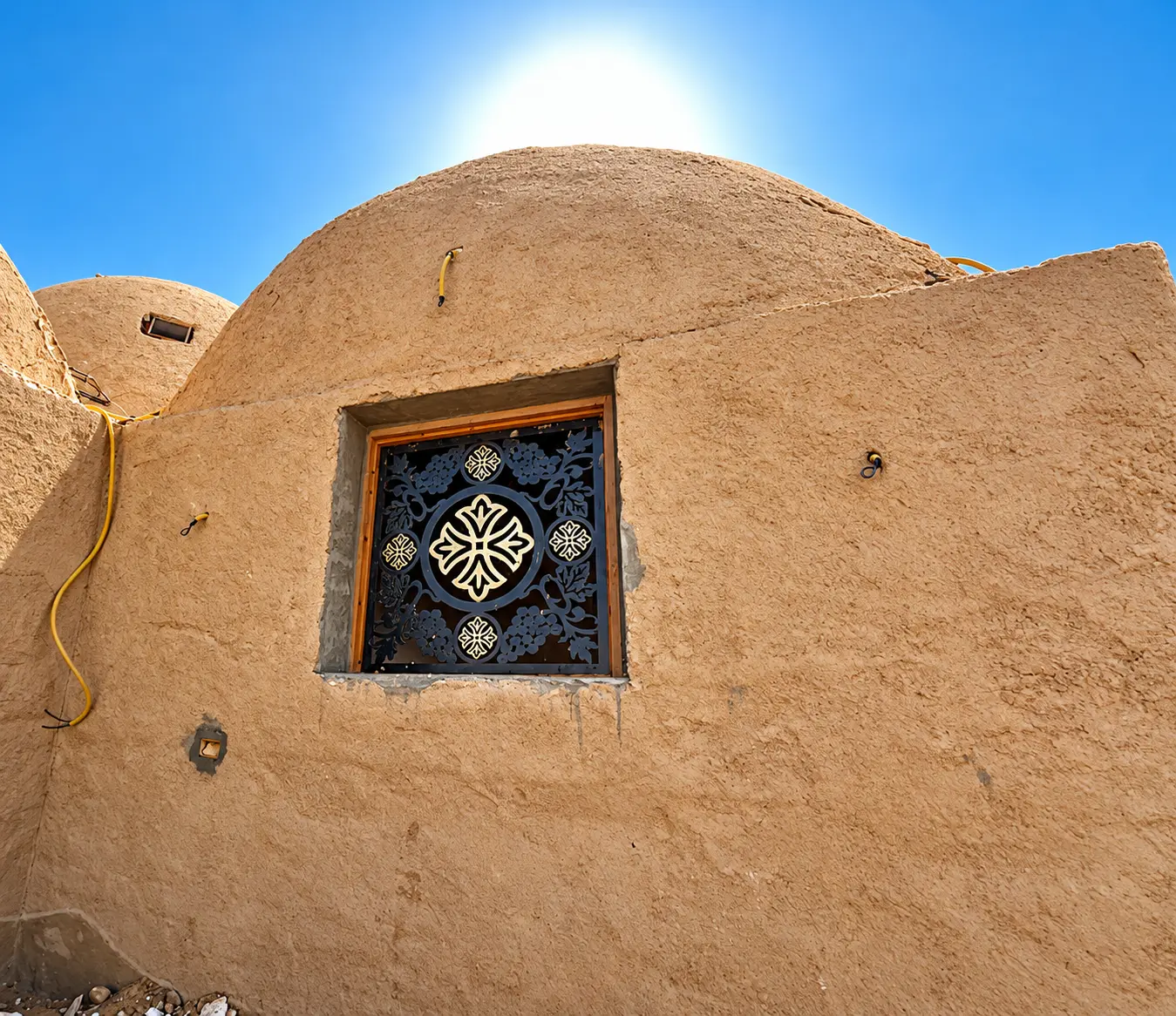
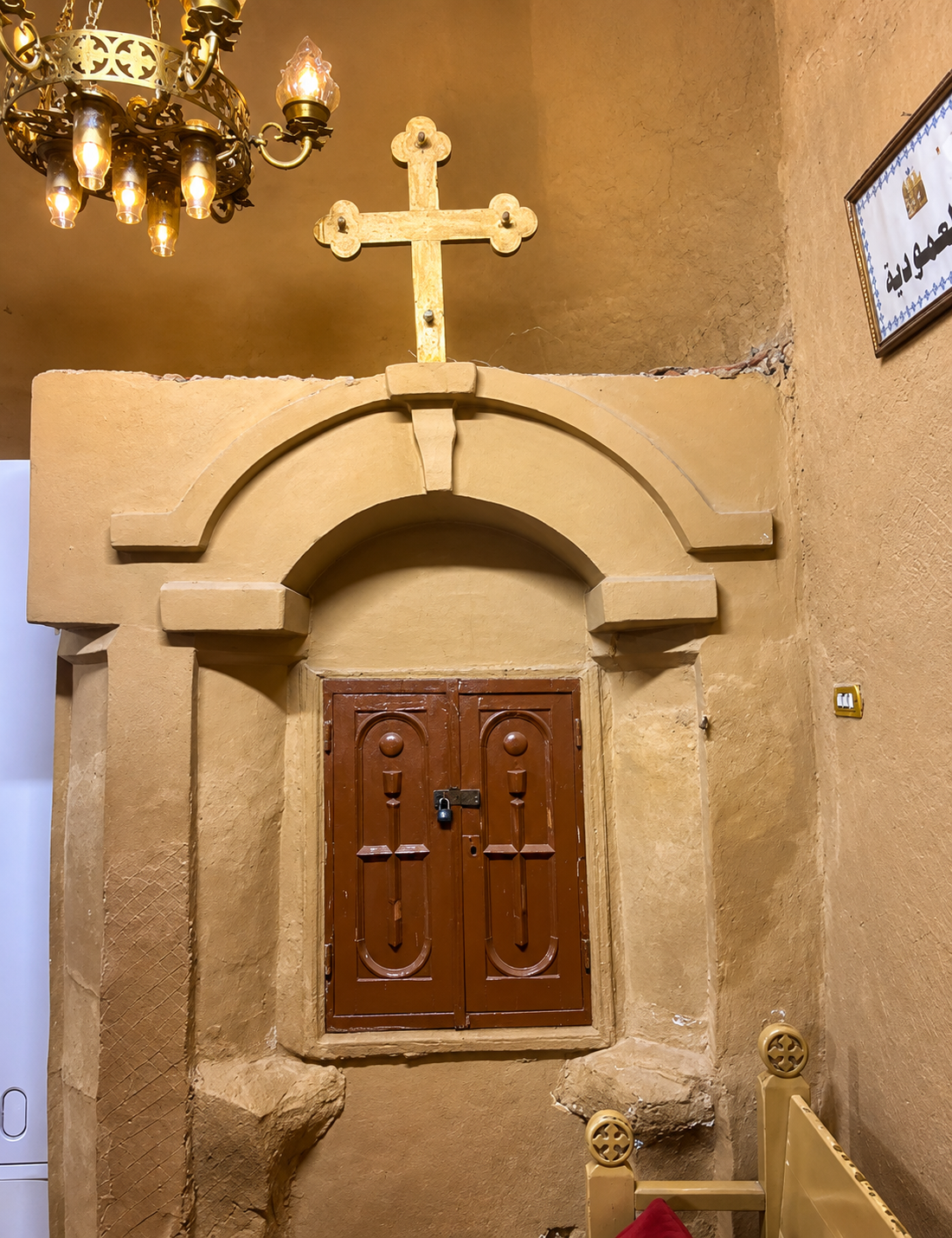
During the visit, the delegation was introduced to aspects of the monastery's architectural heritage and examples of historic Coptic manuscripts.
What had begun as a technical assessment of a potential eclipse viewing site had become an encounter with a remarkable chapter of Egyptian history.
The company had been searching for the perfect place to witness six minutes of darkness in broad daylight. Instead, it had discovered a place connected to a tradition stretching back more than sixteen centuries.
Meeting Bishop Akladios and signing the exclusive agreement
As preparations progressed, a delegation from Middle East Travel Alliance visited Deir El Shayeb and met with His Grace Bishop Akladios and members of the monastic community.
The visit was marked by warm hospitality and discussions about the monastery's history, the potential to welcome international visitors and the arrangements required for the eclipse event.
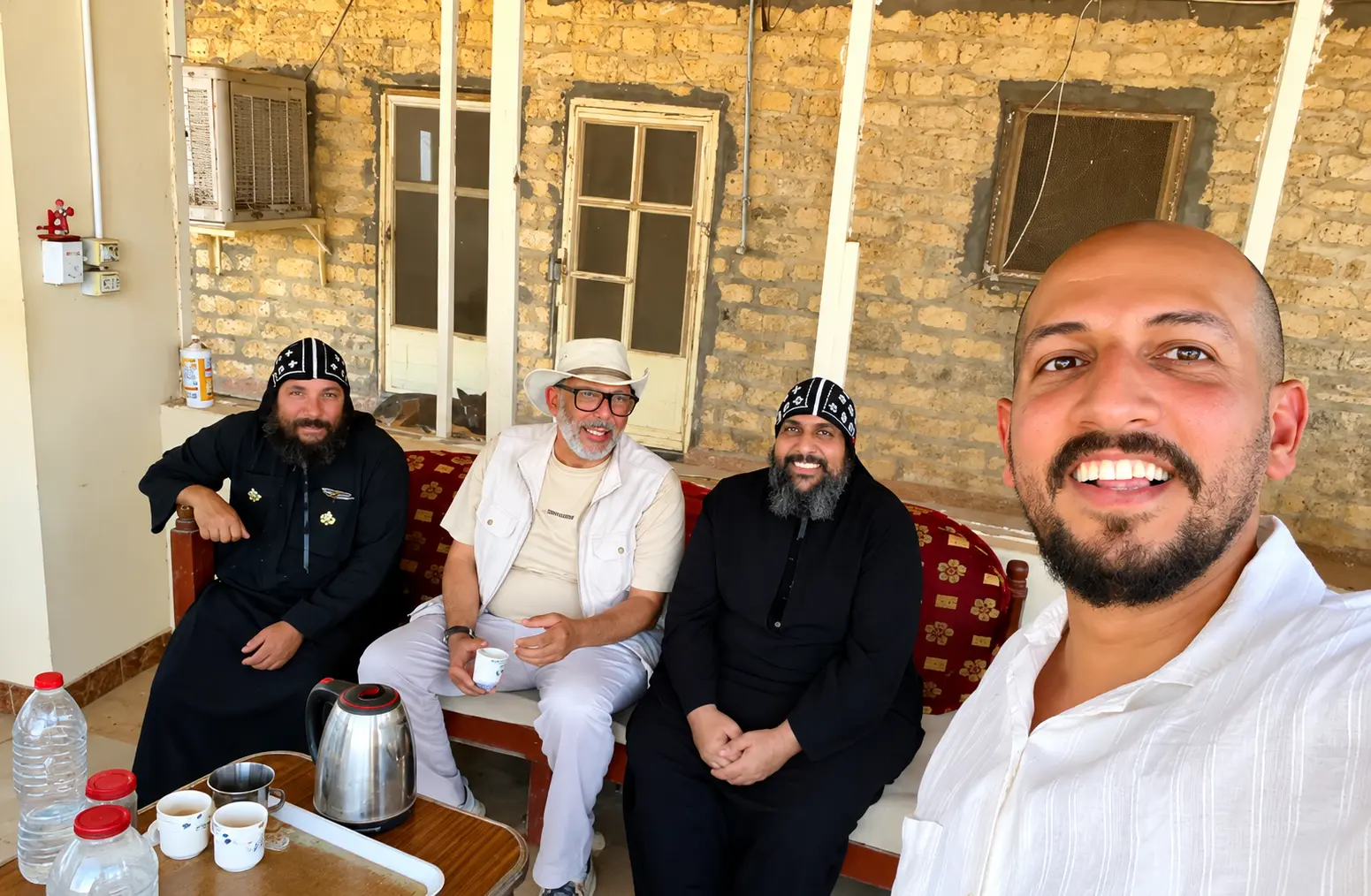
The delegation also had the opportunity to explore aspects of the monastery's architecture and view examples of historic Coptic manuscripts.
The meetings culminated in the signing of an exclusive agreement to host international tour groups for the total solar eclipse of 2 August 2027 at the monastery's farm.
The agreement establishes a foundation for cooperation between an international tourism organisation and a historic religious institution, with the shared objective of hosting a major international event while respecting the site's spiritual identity and cultural significance.
When astronomy meets history
On 2 August 2027, Luxor will become one of the world's most sought after destinations for observing a total solar eclipse (discover why Luxor).
At certain locations around Luxor, the Moon will completely obscure the Sun for approximately six minutes and twenty seconds, making this one of the longest total solar eclipses of the century.
For a few extraordinary moments, daylight will fade into an unusual twilight. The solar corona will become visible, and observers will experience one of nature's most remarkable spectacles.
The event is expected to attract astronomers, photographers, eclipse enthusiasts and international travellers from around the world.
At the monastery farm, META is preparing a dedicated viewing experience combining astronomical observation with organised hospitality. Planned arrangements include:
- Designated observation areas
- Shaded seating and refreshments
- Sanitation facilities
- Security and operational support
- Specialist astronomical guidance
Visitors are expected to arrive early in the morning and remain until the afternoon, allowing sufficient time to prepare for the eclipse and enjoy the surrounding atmosphere. The ambition is to create an experience that extends beyond the brief period of totality itself.
The legacy of Saint Pachomius and Egypt's monastic heritage
Egypt is widely recognised as one of the birthplaces of Christian monasticism.
During the fourth century, Saint Pachomius played a particularly influential role in developing organised communal monastic life, bringing monks together within communities governed by shared spiritual and practical principles. His approach became an important model for monastic communities in Egypt and other parts of the Christian world.
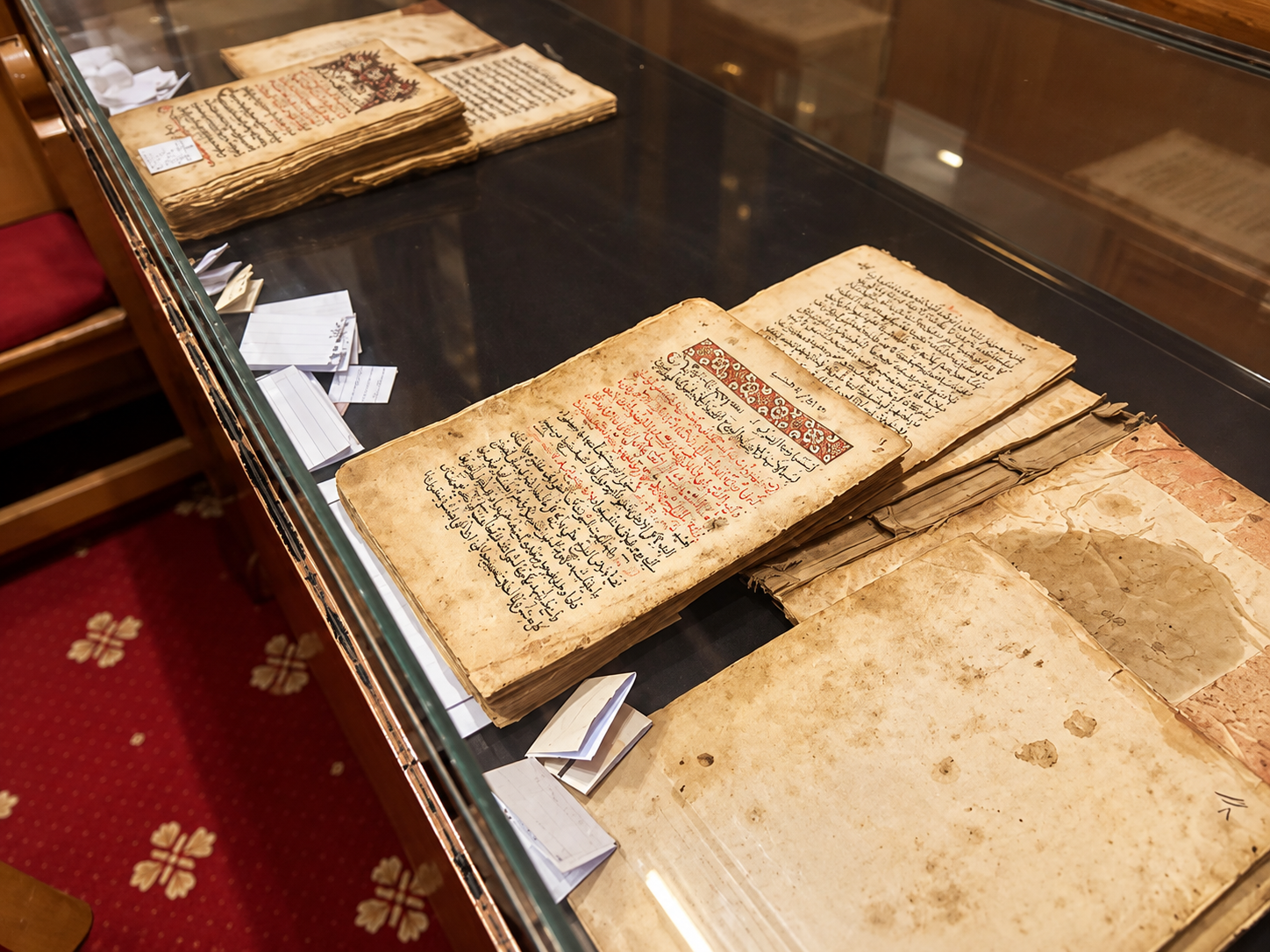
Over the centuries, Egyptian monasteries have contributed to the preservation of religious traditions, manuscripts, architecture, art and cultural knowledge.
For the META delegation, the opportunity to encounter historic manuscripts and distinctive architectural features revealed a side of Egyptian heritage that remains unfamiliar to many international visitors.
While Egypt is celebrated worldwide for its Pharaonic monuments, its Christian monastic heritage represents another important chapter in the country's cultural history. META believes that responsible cultural tourism can help introduce visitors to this heritage while encouraging respect for the institutions and communities that preserve it.
Sustainable tourism: what remains after the eclipse?
For Middle East Travel Alliance, the project's potential extends beyond August 2027. The company believes that the success of a major international tourism event should not be measured solely by visitor numbers, but also by the lasting benefits it can create for the host community.
META is exploring opportunities for longer term cooperation with the monastery, including improvements to selected hospitality facilities and the possibility of welcoming visitors beyond the eclipse event.
Potential initiatives include upgrading guest accommodation, improving hospitality services and developing responsible cultural visitor experiences while respecting the monastery's spiritual and historical character.
The guiding principle is that tourism should leave something valuable behind long after visitors have departed. Rather than treating the eclipse as a single commercial opportunity, META sees the project as a potential model for cooperation between tourism businesses, heritage institutions and local communities. Such partnerships could help preserve cultural identity while creating sustainable economic opportunities.
A message from Middle East Travel Alliance
Commenting on the initiative, a spokesperson for Middle East Travel Alliance said:
"We began searching for an exceptional location to witness the total solar eclipse, but what we discovered went far beyond our expectations.
"We found a place where the beauty of Egypt's natural landscape meets the extraordinary depth of its spiritual history. It is a place with a human and cultural story that deserves to be shared with the world.
"We believe tourism should be about more than visiting places and taking photographs. It should create meaningful connections between travellers and local communities, leaving a positive impact that continues long after the journey ends.
"The true value of this project lies not only in the six extraordinary minutes of totality, but in the opportunity to transform a temporary global event into a lasting partnership.
"We went looking for an astronomical phenomenon lasting just a few minutes. We discovered a story stretching back more than sixteen centuries."
Discovering an Egypt beyond the Pyramids and temples
Egypt is internationally celebrated for the Pyramids of Giza, the temples of Karnak and Luxor, and the royal tombs of the Valley of the Kings. Yet the country also possesses an extraordinarily rich and diverse cultural and spiritual heritage, much of which remains outside conventional international touring programmes.
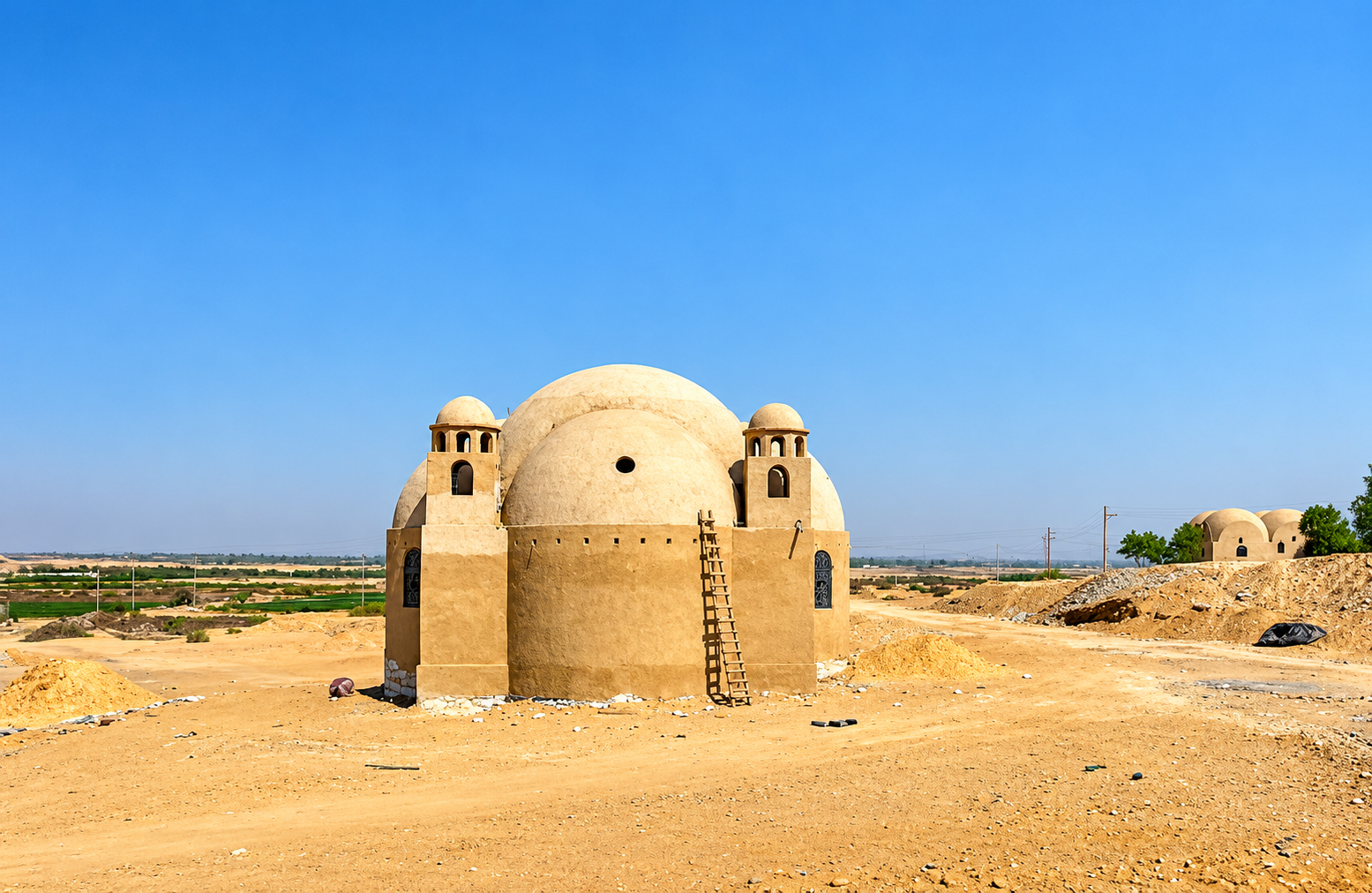
Through this initiative, Middle East Travel Alliance aims to introduce visitors to another dimension of Egypt, bringing together Coptic history, desert landscapes, local hospitality and astronomical discovery.
The company hopes the project will encourage international tour operators to explore more diverse itineraries, creating opportunities for travellers to discover lesser known destinations while supporting the communities that welcome them.
Explore the 2027 Egypt solar eclipse tours
Alongside preparations for the eclipse viewing event, Middle East Travel Alliance offers a selection of specially designed Egypt solar eclipse journeys through Eclipse Travel.
These journeys combine the extraordinary experience of the 2 August 2027 total solar eclipse with Nile cruising, sleeper train journeys, cultural discoveries and visits to Egypt's most celebrated historical sites, including Cairo, Luxor, Aswan and other destinations. Our Rail & Sail: Eclipse Express 2027 journey watches the eclipse from the monastery farm and stays at the St. Pachomius Monastery Guesthouse in Luxor.
Travellers and international tour operators can explore the available journeys and enquire about participation. For a full overview of the event, read our complete 2027 eclipse guide and the story of how we found our monastery viewing site.
The beginning of a story worth telling
The announcement of the exclusive agreement marks the first chapter in a wider series of stories that Middle East Travel Alliance will share in the months ahead. Future announcements will explore the site's historical heritage, the people and community behind the project, preparations for the international eclipse event and opportunities for sustainable tourism development.
On 2 August 2027, the eyes of the world will turn towards the skies above Luxor. But at Deir El Shayeb, in this peaceful setting on the edge of the Egyptian desert, there will be another story worth discovering.
A story that began with the search for the Sun and led to the discovery of history.
Frequently asked questions
What has Middle East Travel Alliance announced?
Middle East Travel Alliance (META) has signed an exclusive agreement with His Grace Bishop Akladios to host international tour groups for the total solar eclipse of 2 August 2027 at a farm belonging to the historic Monastery of Saint Pachomius, known locally as Deir El Shayeb, near Luxor.
Why was the Deir El Shayeb monastery farm chosen?
The site lies within the path of totality near Luxor and offers extensive open space, unobstructed views of the sky, peaceful surroundings away from the crowds, and existing basic infrastructure that can support hundreds of international visitors safely.
Who was Saint Pachomius?
Saint Pachomius was a fourth century Egyptian Christian figure widely recognised for his pioneering role in developing organised communal monasticism. His model shaped monastic life in Egypt and throughout the Christian world.
What will the eclipse day at the monastery farm include?
Planned arrangements include designated observation areas, shaded seating, refreshments, sanitation facilities, security and operational support, together with specialist astronomical guidance. Visitors are expected to arrive early in the morning and stay until the afternoon.
How can I join the eclipse viewing at the monastery?
The viewing experience is part of the Egypt solar eclipse journeys offered through Eclipse Travel, which combine the 2 August 2027 eclipse with Nile cruising, sleeper trains and Egypt's great historical sites. Browse the tours or contact our team to enquire.
About Middle East Travel Alliance
Middle East Travel Alliance (META) is a US registered travel company specialising in the development of innovative travel experiences across Egypt and the Middle East. Its areas of focus include cultural tourism, Nile cruising, astronomical tourism, rail journeys, authentic local experiences and sustainable tourism initiatives.
META develops programmes that combine internationally recognised historical landmarks with less frequently visited destinations, creating distinctive travel experiences while supporting local communities and encouraging the preservation of cultural heritage.
Press photography and media enquiries
Authentic photographs of the META delegation's visit to Deir El Shayeb are available for editorial use, subject to applicable permissions. The collection includes meetings with His Grace Bishop Akladios and members of the monastic community, historic manuscripts, architectural features and the surrounding setting.
For background materials, high resolution photographs or to arrange an interview with the company's founder or project representatives, please contact META Media Relations.
- Email: hello@middleeasttravel.net
- Website: middleeasttravel.net
- Press photography: View the photo collection